


Five ways our research strengthened animal health in 2025
From Canada’s Prairies to Australia’s eucalyptus forests, 2025 brought new challenges and opportunities to protect animals vital to ecosystems, food security, and communities worldwide.
By Candace LambFrom Canada’s Prairies to Australia’s eucalyptus forests, 2025 brought new challenges and opportunities to protect animals vital to ecosystems, food security, and communities worldwide.
Here are five species that benefited from research advanced at the University of Saskatchewan’s Vaccine and Infectious Disease Organization (VIDO) and with our collaborators this year.
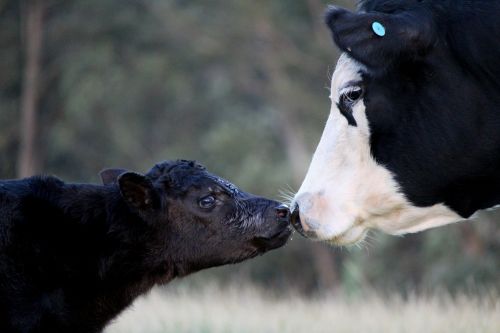
1. Dairy Cattle: Understanding a new threat
When high-path avian influenza (H5N1) appeared in cattle for the first time, it raised urgent questions about how the virus behaves in cows and how it might spread beyond U.S. dairy cattle. The concern is especially high because, although human infections are rare, H5N1 has historically had a high mortality rate in people. Using our high-containment facilities, VIDO researchers helped answer some of the earliest unknowns by studying how H5N1 infects the udder and replicating what could happen through contaminated milking equipment. The work showed patterns similar to those seen on farms, including mastitis and reduced milk production, and importantly, found that infected cows were protected from reinfection. This opens the door to potential vaccination strategies and adds essential knowledge to the global response effort. The work is being advanced in close collaboration with the Canadian Food Inspection Agency, international partners in Germany and the U.S., and members of the RAV3N network working to better understand and manage this evolving threat.

2. Bison: Advancing vaccines for a persistent disease
Bovine tuberculosis remains a threat to both livestock and wildlife, including wild bison herds in Canada. Because the disease can spread between wildlife, cattle, and even humans, better tools to control infection are urgently needed. This year, VIDO scientists worked on developing new vaccines and improving diagnostic tests that can more easily show whether an animal is infected or has been vaccinated. New technologies will help protect Canada’s bison and safeguard the cattle industry from the economic impacts of losing Canada’s bovine TB-free status. Partnerships with Parks Canada and the University of Saskatchewan’s Western College of Veterinary Medicine are moving this work closer to real-world use.
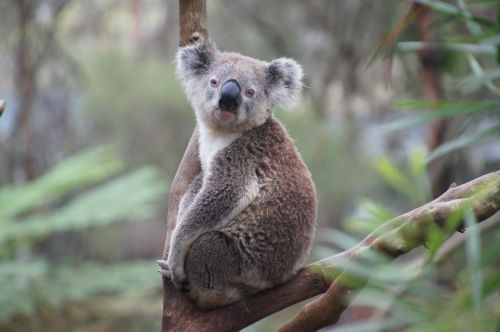
3. Koalas: A world-first vaccine with Canadian roots
One of the year’s biggest conservation milestones came from Australia, where a vaccine to protect endangered koalas from chlamydia received regulatory approval. The disease has devastated some wild koala populations, causing infertility, blindness, and death. While the vaccine was developed by the University of the Sunshine Coast, it relies on an adjuvant originally created through collaboration between VIDO, the International Vaccine Institute, the University of British Columbia, and Dalhousie University. After more than a decade of research, trials show the vaccine reduces disease and mortality by at least 65 per cent—a breakthrough that gives conservation teams a practical tool to help stabilize declining populations. It’s a reminder that innovations developed here in Saskatchewan are having global impacts.

4. Pigs: Building defences against African swine fever
African swine fever (ASF) remains one of the most serious threats to the global swine industry, with nearly 100 per cent mortality in infected pigs and current vaccines need improvement. For a major pork-exporting country like Canada, a single case could devastate farms and close international markets through non-tariff trade barriers. This year, VIDO scientists continued developing a safer vaccine that uses only parts of the virus to trigger immunity and help tell the difference between infected and vaccinated animals. Researchers are also identifying antiviral compounds and developing new cell lines that will be important for making future vaccines. As the first, and only, non-government lab in Canada approved to work with ASF, VIDO is helping build the tools needed to protect Canada from this disease.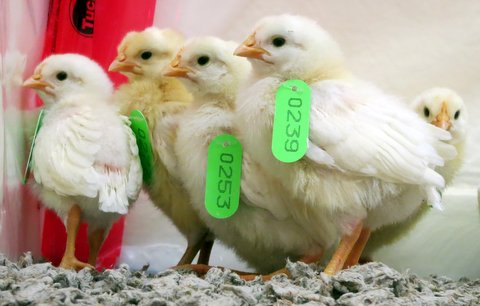
5. Chickens: Understanding and reducing common infections
In poultry flocks, everyday bacterial infections can have big impacts on animal health and on producers. This year, VIDO researchers took a closer look at E. coli strains that cause colibacillosis, a disease that leads to illness and economic losses. By comparing the DNA sequence of E. coli found in healthy birds with those from sick birds, the team is uncovering why some strains cause disease while others don’t, and why harmful strains tend to be more resistant to antibiotics. Another project is exploring whether vaccinating chicks while they’re still in the egg could help prevent Salmonella from establishing in young birds. Because Salmonella doesn’t make chickens sick but can affect people, early-life protection could improve both flock health and food safety.
This year showed how closely animal and human health are connected. Research projects at VIDO are safeguarding Canada’s food sources, protecting endangered wildlife, and preparing for the next emerging infectious disease threat. While the challenges continue to evolve, so does the science behind them.